Payment equals a guilty plea
Mailing in the fine or paying online resolves a Louisiana citation as a conviction, not as a fee. There is no separate step where a driver is warned of that.
Paying a Louisiana traffic ticket is a guilty plea, and for CDL holders, probationers, and out-of-state drivers the usual advice quietly stops working.
Mailing in the fine or paying online resolves a Louisiana citation as a conviction, not as a fee. There is no separate step where a driver is warned of that.
The conviction is reported to the Louisiana Office of Motor Vehicles and appears on the driving record any insurer can pull at renewal. Insurers generally check at renewal rather than continuously.
A surcharge that lasts three years covers six renewals on a semiannual policy. Comparing an attorney fee to a single renewal increase understates the cost by roughly a factor of six.
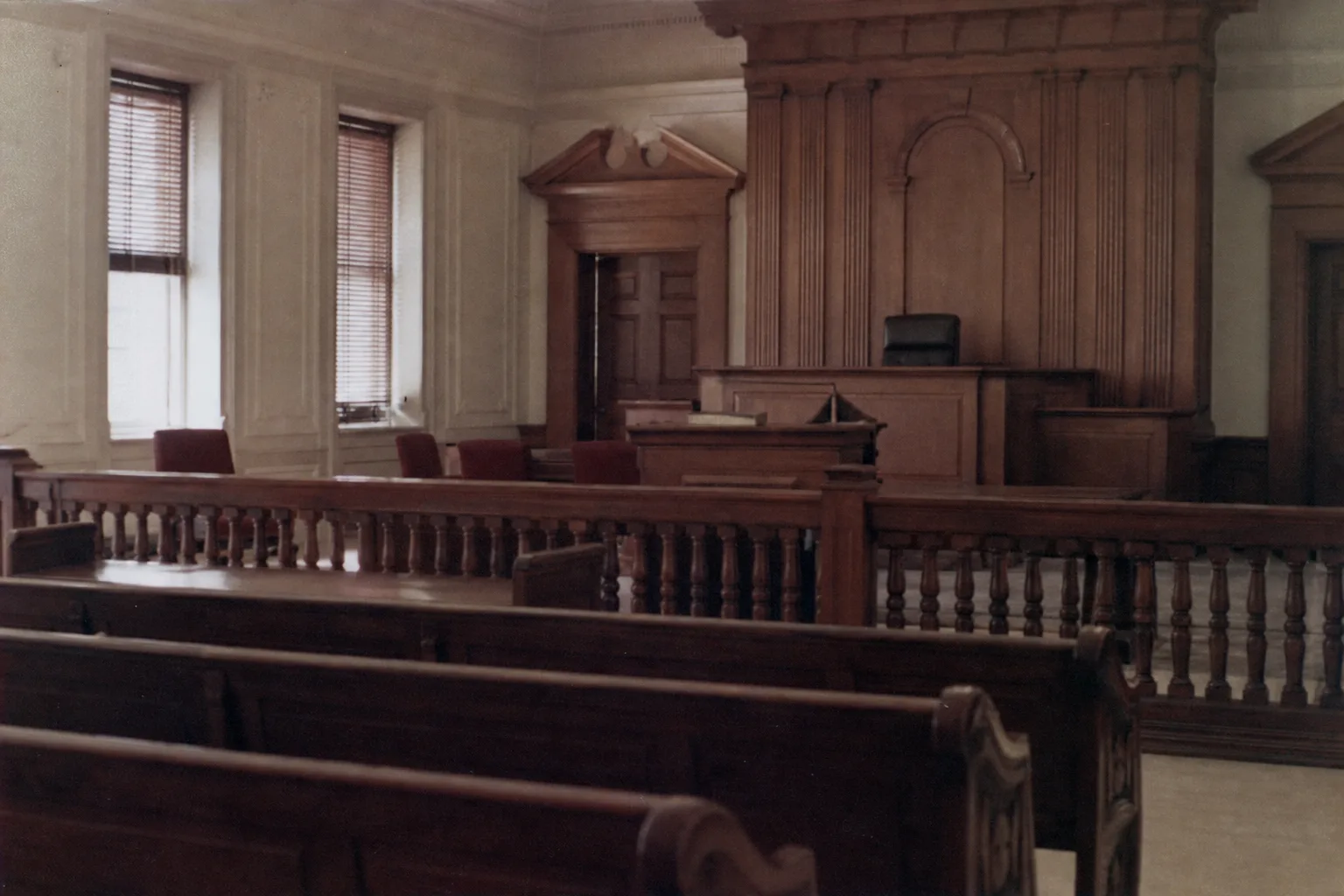
Many Louisiana courts will accept a plea to a non-moving charge in place of a speeding count. Rating systems commonly treat non-moving violations differently from moving ones.
Federal commercial licensing standards forbid states from hiding a CDL holder's conviction from the driving record. That removes the diversion and deferral options an ordinary licensee might use.
The clerk's window will take a payment for a speeding citation in about four minutes, and nothing about that transaction announces itself as a guilty plea. It is one. In Louisiana, mailing the fine amount or paying it online is a conviction entered against the driver, reported to the Office of Motor Vehicles, and available to any insurer that pulls the record at renewal. The four minutes are the cheap part. What follows runs on a different clock, usually three years, sometimes five, and the arithmetic almost never favors the driver who did not check first.
A citation can end in several ways that look identical on a receipt and behave very differently on a record. A straight guilty plea posts as a conviction. A plea to a non-moving substitute, often an equipment or obstruction charge depending on the court, posts as something an insurer's rating algorithm may ignore entirely. A dismissal after a driver-improvement course posts as nothing at all, in courts that offer it. Before paying, a careful reader asks the clerk one question: what charge and what disposition will be transmitted to the state, and when.
Insurers do not bill a surcharge as a line item labeled surcharge. They reprice the policy, and the increase shows up folded into the six-month premium. That is why the comparison people make is wrong: they weigh a flat attorney fee against the first renewal bump, when the surcharge typically sits on the record for three years, which is six renewals on a semiannual policy. Multiply the bump by six. Then add the second vehicle on the same policy, if the carrier rates the household. The one-time fee usually loses only when the increase is genuinely small.
Commercial driver's license holders operate under federal rules that do not bend for local practice. The Federal Motor Carrier Safety Administration is responsible for the standards governing commercial driver licensing and the reporting of convictions, and those standards prohibit masking: a state may not withhold a CDL holder's conviction from the record, and a court may not offer the diversion or deferral that would resolve the same ticket for an ordinary licensee. Serious violations carry disqualification periods that stack. A CDL holder should say so at the first contact with counsel, before any plea is discussed.
Drivers on probation, whether from a prior traffic matter, a misdemeanor, or a felony sentence, usually carry a condition requiring them to refrain from new criminal conduct or to report new charges to their probation officer. A traffic conviction can satisfy that trigger. The exposure is not the fine, it is the revocation hearing, where the sentence already suspended becomes available again. The safe sequence is to read the conditions of probation, in writing, then decide. Counsel who knows both the traffic court and the sentencing judge can often resolve the citation without generating a reportable conviction.
A Louisiana conviction does not stay in Louisiana. Through the interstate compact arrangements most states participate in, the conviction is transmitted to the licensing state, which then applies its own point schedule to it. Some states assess points on the home equivalent of the offense, some assess nothing for out-of-state minor violations, and the treatment varies enough that no general rule is worth relying on. Ask the home state's licensing agency directly, or ask counsel who handles these routinely. Resolving the charge in the Louisiana court is generally cheaper than unwinding points assessed later at home.
Quotes for the same speeding citation differ across courts because the work differs: some courts resolve by written motion, some require an appearance, some set the matter twice. A useful quote names the court, the charge, whether court costs are included, and what happens if the district attorney refuses the amendment. Ask whether the fee covers a second setting. Ask what the total will be if everything goes the ordinary way, and again if it does not. Written answers to those two questions make the comparison between counsel and payment straightforward.
The drivers who get hurt by a routine citation are rarely the ones who fought it and lost. They are the ones who paid it quickly, on a Tuesday, without knowing that a CDL, a probation condition, or a license from Texas changed the rules that applied to them.